ServicesWindow Replacement
Window Replacement in Mukilteo
We replace fogged, drafty and worn-out windows with units chosen for how long they last and how little they ask of you afterward. You get a written comparison of frame materials and glass packages, a careful install, and most homes are finished in a single day.
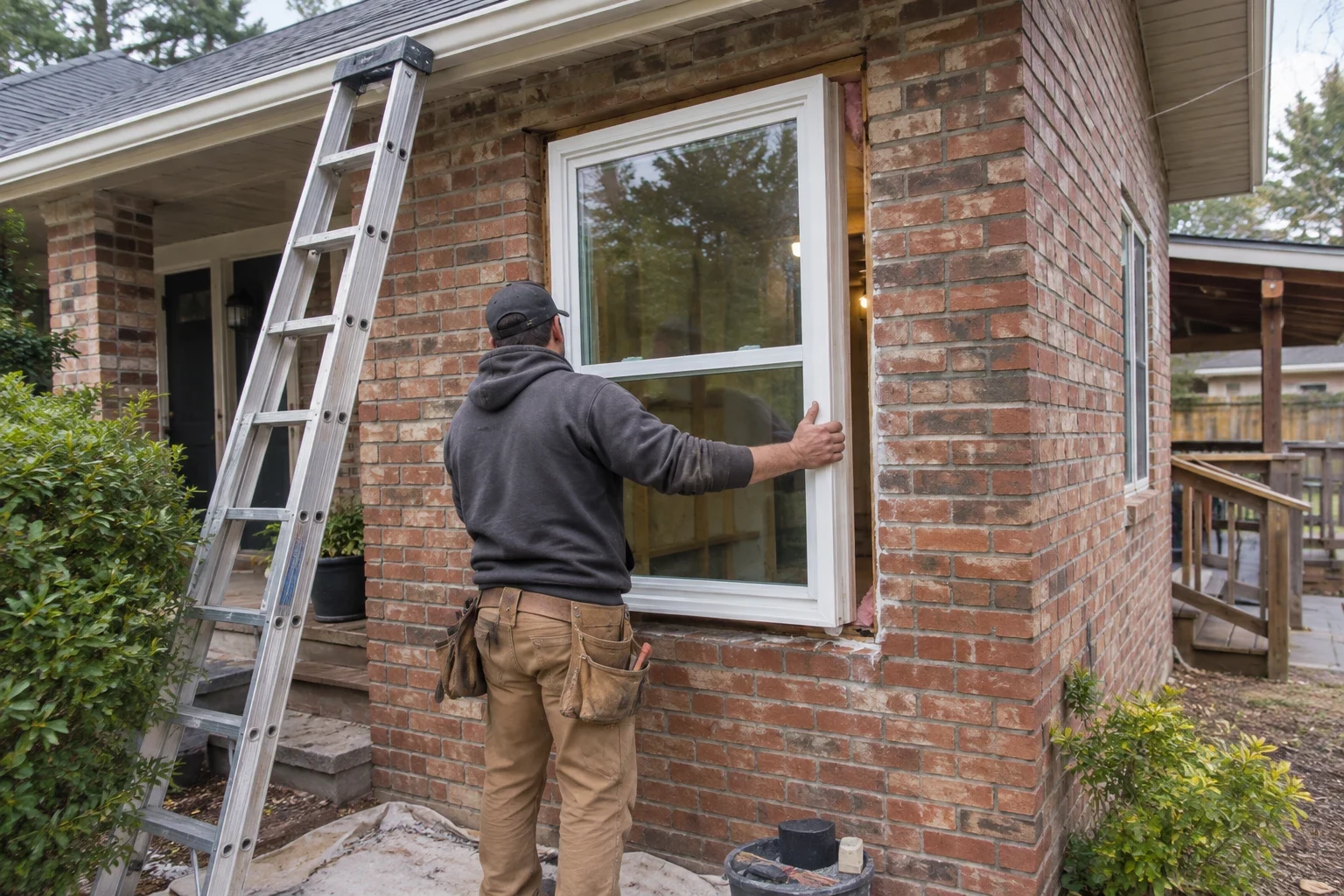
When replacement beats repair
A window is a sealed glass unit set in a frame, and the two wear out on different schedules. A broken balance or torn weatherstrip is a repair job, and we will tell you so and point you to our window repair service. Replacement makes sense when the insulated glass seals have failed in several sashes, when aluminum frames sweat and drip every winter, or when the sill below has gone soft from water getting past the frame.
We price each option against its expected life and upkeep. A basic vinyl unit costs less today, while fiberglass holds its shape through temperature swings and keeps its seals under less stress. Wood-clad windows suit older homes but need the interior wood finished and watched. We lay those trade-offs side by side so the window you pick still makes sense long after the install.
Our company is licensed, carries insurance and is bonded, and every installation we do comes with a 10-year workmanship warranty.
What a replacement job includes
Measuring every opening
We measure each rough opening at the top, middle and bottom, and check it for square. Houses settle, and a window ordered from a single measurement can end up shimmed crooked or left with gaps.
Insert or full-frame, explained
With an insert, the new unit slides into the old frame, so the casing inside and the siding outside stay undisturbed. Full-frame removal goes down to the rough opening so we can inspect the framing and reflash it. We recommend full-frame when the old frame is rotted or its original flashing has failed.
Glass matched to each wall
We specify low-E coatings, argon fill and warm-edge spacers by exposure. South and west windows get a coating that cuts solar heat gain, while north-facing rooms gain more from a lower U-factor. Tempered glass goes where code calls for it, such as beside doors and tubs.
Sill pans, flashing and foam
Each unit sits on a sloped sill pan, with flashing tape lapped shingle-style so water sheds outward. The space between the jambs and the wall framing is sealed with a low-expansion foam, chosen because it stops air leaks without pressing the frame out of shape. This is the step that keeps water out for the life of the window, so we never rush it.
Permits where required
Resizing an opening or changing a bedroom egress window usually needs a permit. We pull it and schedule the inspection.
Trim, cleanup and haul-away
Drop cloths go down before the first sash comes out. Afterward we reinstall or replace interior trim, caulk the exterior, vacuum the work area and take the old units with us.
Signs your windows are due for replacement
Fog between the panes
A milky film or beads of moisture trapped inside a double-pane unit tell you the spacer seal has broken and the argon between the glass is gone. When several sashes fail around the same time, the rest are usually close behind.
Water pooling on the sills
Through a damp Puget Sound winter, single-pane and aluminum-frame windows chill the inside surface below the dew point. Condensation runs down, feeds mildew and slowly rots the wood underneath.
Sashes that stick or drop
Warped vinyl, swollen wood or worn balances make a window hard to open or keep open. If the frame itself has gone out of square, new hardware will not fix it.
Soft wood at the corners
Press a screwdriver into the lower corners of the frame and sill. If it sinks in, water has been getting past the window, and the rot should come out with the old unit.
Drafts you can feel
Moving air at the meeting rail or around the trim points to failed weatherstripping or open gaps where the frame meets the wall.
How a replacement project runs
- 1
Free quote at your home
We measure, look at each opening inside and out, and talk through frame and glass options with you. You get a written, line-item quote with no pressure to decide that day.
- 2
Ordering and scheduling
Your windows are built to the measurements we took, which takes some lead time. Once they arrive, we set an install date that works for you.
- 3
Removal and inspection
The crew covers floors and furniture first. We pull and replace a single opening before moving to the next, so only one gap in the wall exists at any moment. If we find damaged framing, we show you photos and explain the fix before going further.
- 4
Setting and sealing
Each window is leveled, shimmed, fastened, flashed and foamed, then trimmed inside and caulked outside. Most installs are finished in a single day.
- 5
Final walkthrough
We open and lock every sash with you, explain the care your frame material needs, and hand over the warranty paperwork.
What moves the cost of new windows
Every quote is written per opening, so you can see exactly where the money goes. The cheapest window and the best value over its lifespan are often different units, and we show you both. We also offer flexible payment options for homeowners who prefer to pay over time instead of all at once.
- Frame material
- Vinyl costs least up front. Fiberglass and wood-clad cost more but resist warping and fading longer, which can lower the cost per year of service.
- Glass package
- Triple-pane, laminated or specialty low-E glass adds cost. It earns its keep in rooms that run cold or face a busy road.
- Size, style and count
- Large picture windows, casements and custom shapes cost more than standard double-hungs. Doing several openings in one visit lowers the labor per window.
- Insert versus full-frame
- Full-frame removal takes more labor and material, but it lets us repair rot and reflash the opening properly.
- Condition and reach
- Rot in the sill or framing means extra carpentry before the new unit goes in. Upper-floor windows take longer too, since the crew has to set up ladders or scaffolding to work safely from outside.
Window replacement questions
Something not covered here? (425) 842-2596
Is vinyl or fiberglass the better buy?
It depends on how long you plan to stay and how much sun each window gets. Vinyl is a solid value on shaded walls and tighter budgets. Fiberglass expands at nearly the same rate as glass, so its seals stay under less stress on hot south and west walls. We compare both on your actual openings.
Do I have to do the whole house at once?
No. Plenty of homeowners split the work into phases, starting with the windows that have failed or leak the most heat. We note the style, color and glass package on your quote, so the units we install in a later phase match the first ones.
Do I need a permit for new windows?
A same-size replacement often does not need one, while enlarging an opening or changing a bedroom egress window usually does. We check what applies to your project and pull the permit when it is required.
What warranty comes with the installation?
Our installation work carries a 10-year workmanship warranty. Coverage on the window unit itself comes from its manufacturer, and we go over those terms for the product you choose before you commit.
How disruptive is install day?
Most installs wrap up in a single day. We work one opening at a time, cover floors and furniture, and clean up as we go, so your rooms are usable again by evening.
Find out which windows will pay off
We will measure your openings, compare materials on up-front cost and lifespan, and leave you with a written quote. It costs nothing, and there is no pressure to decide.